Scenarios we work through, step by step
These are editorial examples, not client records. Each one shows how a common everyday situation can be handled in a calm, repeatable way: what the starting point looks like, which small actions help, and what changes afterwards. Names, numbers and outcomes are left out on purpose, because the point is the method, not a track record.
The morning that starts too fast
A reader in her sixties notices the first hour of the day has become a rush of messages and half-finished coffee. The suggested route: leave the phone in another room until breakfast is over, make the coffee without checking anything, and step outside for five minutes before the day fills up.
What shifts: the morning gets a shape of its own instead of borrowing one from the inbox.
Signing a repair contract without reading it
An agreement for a household repair arrives with a headline figure and several pages of small print. The scenario walks through reading the cancellation terms first, marking any automatic renewal, and asking for unclear sentences to be explained before the signature goes on the page.
What shifts: the reader knows what they are agreeing to, and what it takes to leave.
A balcony that stays green
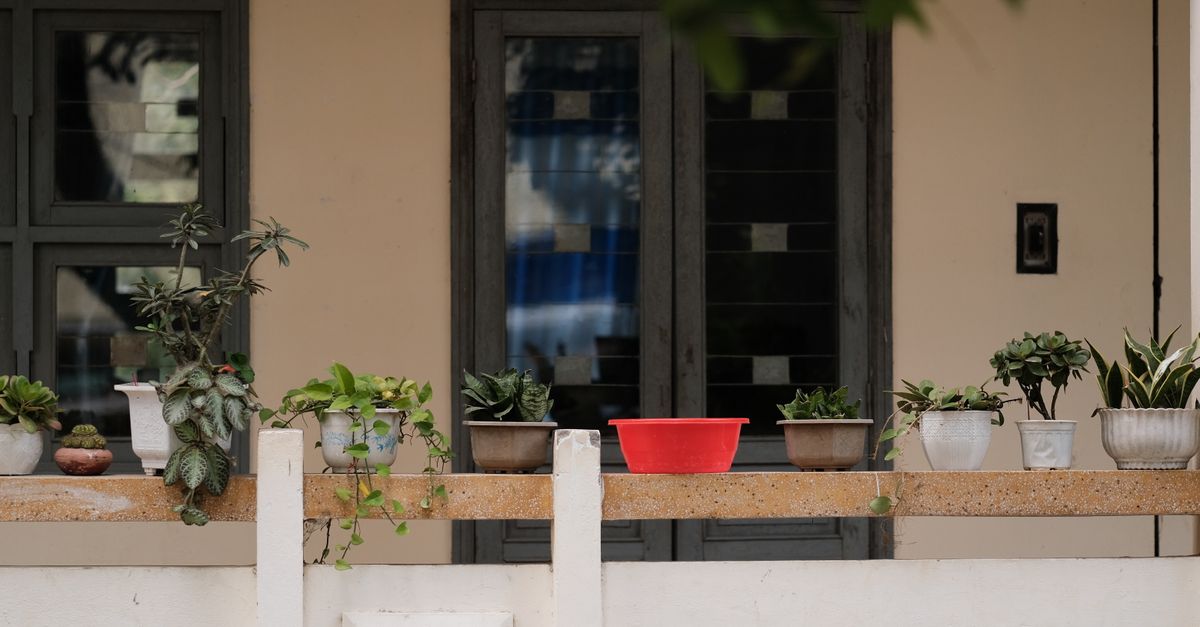
Limited space, a few hours of sun, and a wish for herbs that survive a busy week. The example covers choosing pots that suit the plants, watching how light moves across the balcony during the day, and accepting that some attempts will simply fail.
What shifts: gardening becomes a short weekly habit rather than an occasional big effort.
Learning one app, not all of them
A new tool arrives with more features than anyone needs. The suggested approach is to pick a single task, ignore everything else until it feels familiar, and check which permissions the app actually asks for. Asking someone for help stays on the table.
What shifts: confidence grows from one working task instead of a tour of every menu.
A weekend city walk with no fixed plan
A short trip where the main streets are left behind on purpose. The scenario covers comfortable shoes, knowing when to stop, and resisting the urge to see everything. Courtyards and side passages do more for understanding a place than a checklist does.
What shifts: the city is read slowly, and the day ends without exhaustion.
One hobby, given a regular place
Several activities have been started and quietly dropped. The example argues for choosing one and holding a weekly slot for it, whether that is choir practice, woodworking, or a standing walk with a friend. Depth tends to satisfy more than novelty.
What shifts: the week gains a fixed point that does not depend on motivation.